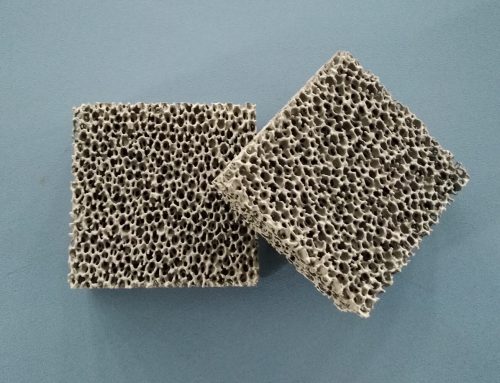
Imagine a material that could make your electronics run cooler, last longer, and perform better. That material is copper foam, and it’s poised to transform the world of electronic devices.
You already know copper for its incredible electrical conductivity. But copper foam takes this essential metal to a whole new level. It’s an intricate, three-dimensional porous structure of pure copper, creating an unparalleled combination of properties that are indispensable for modern electronics.
Why Copper Foam? The Game-Changing Advantages:
- Exceptional Conductivity & Heat Dissipation: Unlike solid copper, copper foam’s open-cell structure offers an enormous internal surface area. This drastically boosts its electrical conductivity and its ability to dissipate heat, which is vital for managing temperatures in compact electronic components.
- Lightweight Yet Durable: Despite its porous nature, copper foam is remarkably strong. It’s significantly lighter than solid copper, leading to more compact and lighter electronic designs without compromising durability.
- Superior Electromagnetic Shielding: The unique cellular structure of copper foam provides excellent electromagnetic interference (EMI) shielding. This is critical for protecting sensitive electronics from external interference and ensuring signal integrity.
- Versatile Design: Copper foam can be manufactured with customizable pore sizes and densities, allowing for tailored solutions to meet specific needs across a wide array of electronic devices.
At the same time we have South American customer who use our metal foams in switchgears .Copper Foam: The Silent Revolution in Electrical Switches
One area where copper foam is making an especially significant impact is in electrical switches. Traditional switch contacts often face challenges like arcing, wear, and heat buildup, which can reduce their lifespan and lead to failures. Copper foam offers a compelling solution to these issues.
Imagine a switch contact that can dissipate heat almost instantly, minimizing temperature increases during operation. Imagine a contact material that inherently suppresses arcing, leading to smoother, more reliable switching actions. Copper foam delivers these benefits and more.
By integrating copper foam into electrical switch designs, manufacturers can achieve:
- Extended Lifespan: Reduced arcing and superior heat dissipation significantly prolong the operational life of switches, leading to greater reliability and lower maintenance costs.
- Enhanced Performance: Smoother current flow and minimal contact resistance contribute to more efficient and consistent switch performance.
- Increased Safety: Copper foam’s inherent anti-arcing properties enhance the safety of electrical systems by reducing the risk of sparks and electrical fires.
- Miniaturization Potential: Its excellent thermal management capabilities enable the design of smaller, more compact switches, which is crucial for today’s increasingly miniaturized electronic devices.
Challenges & Considerations
- Manufacturing Cost: The initial cost of metal foams can be higher than traditional metals.
- Structural Strength: Their mechanical strength needs careful evaluation for structural components within switchgear.
In conclusion, metal foams offer a compelling set of properties that can significantly enhance the performance, efficiency, and design flexibility of switchgear. Their superior thermal management, lightweight nature, and potential for improved electrical contact behavior make them a material of choice for the next generation of power distribution equipment, driving towards more compact, reliable, and sustainable solutions.