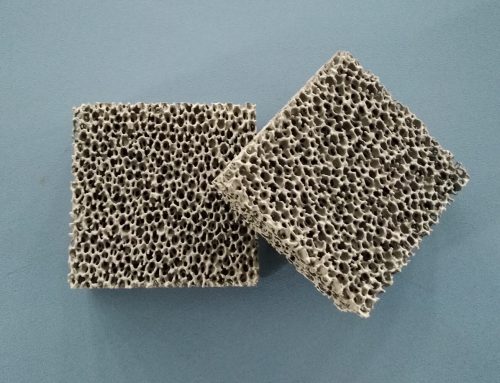
In traditional engineering materials, pores (whether macroscopic or microscopic) are considered structural defects because they often serve as core sites for crack formation and propagation, which negatively impacts a material’s physical and mechanical properties. However, when the number of pores in a material (i.e., its porosity) increases to a certain extent, the material can develop special functions due to the presence of these pores, thereby forming a new category of materials known as porous materials, or foam materials.
Metal foams possess a series of excellent properties: high porosity, high specific strength, high specific stiffness, energy absorption, good damping and shock absorption, corrosion resistance, high-temperature resistance, electromagnetic shielding, non-toxicity, ease of processing, and surface treatment for painting, among others. Due to their superior physical and mechanical properties, metal foams can be used as both structural and functional materials. Generally, they serve a dual role as both functional and structural materials, making them a high-performance, multifunctional engineering material that integrates both functions and structure.
Because metal foams inherently possess numerous physical properties—mechanical, thermal, acoustic, and electromagnetic—they can be used as structural materials. By leveraging the ultra-lightweight structure and energy-absorbing properties of their pores, they achieve excellent energy absorption. Currently, aluminum foam is the most widely researched porous metal in China, which is why major original equipment manufacturers (OEMs) now favor it as a primary choice for energy-absorbing filler material.
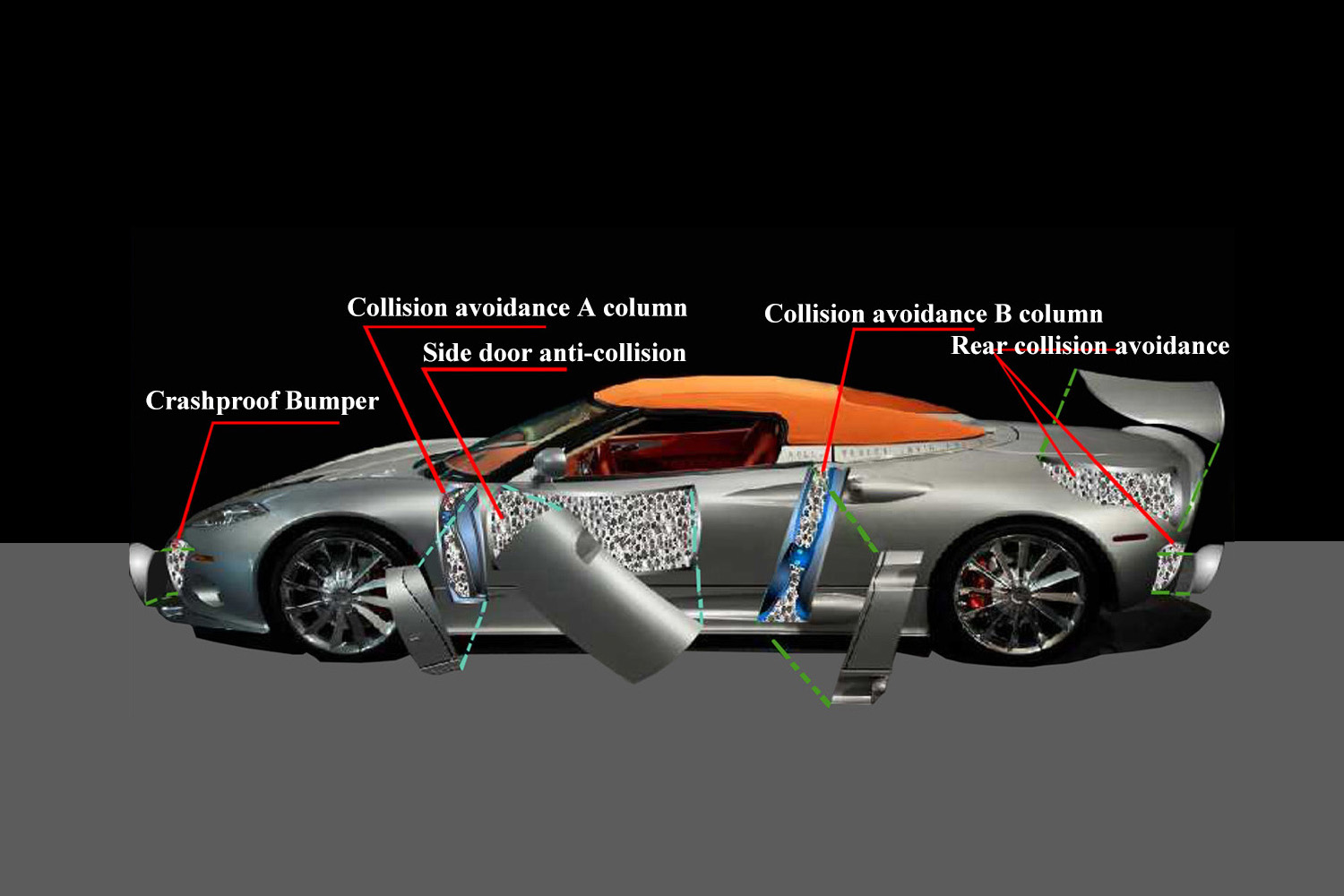
Future Applications in Automotive Structures
Currently, aluminum foam is seeing limited use in concept and high-end vehicles, primarily in the following areas:
Energy-Absorbing Components: Leveraging its outstanding energy absorption properties, aluminum foam is used to manufacture crash beams, front and rear bumpers, and crash boxes. In a collision, these components effectively buffer the impact, protecting drivers and passengers to the maximum extent.
Lightweight Body Structures: Aluminum foam can serve as the core material for sandwich panels, combined with high-strength steel or carbon fiber composites, to create lightweight, high-strength body structural parts. This composite structure significantly reduces vehicle weight while maintaining strength.
Sound and Noise Reduction Components: In vehicles with high demands for quietness, aluminum foam is used to manufacture engine hoods and door inner panels to reduce engine noise and road noise, enhancing the tranquility of the cabin.
Aluminum-based foam aluminum materials, with their ultra-low density, high specific strength, high specific stiffness, and energy absorption properties, can serve as important energy-absorbing structural components in lightweight car bodies. They can effectively enhance the vehicle’s energy absorption platform and improve car body stiffness while meeting lightweighting targets. As manufacturing processes mature and composite techniques advance, composite foam aluminum materials are bound to bring about greater changes to various automotive structural components.